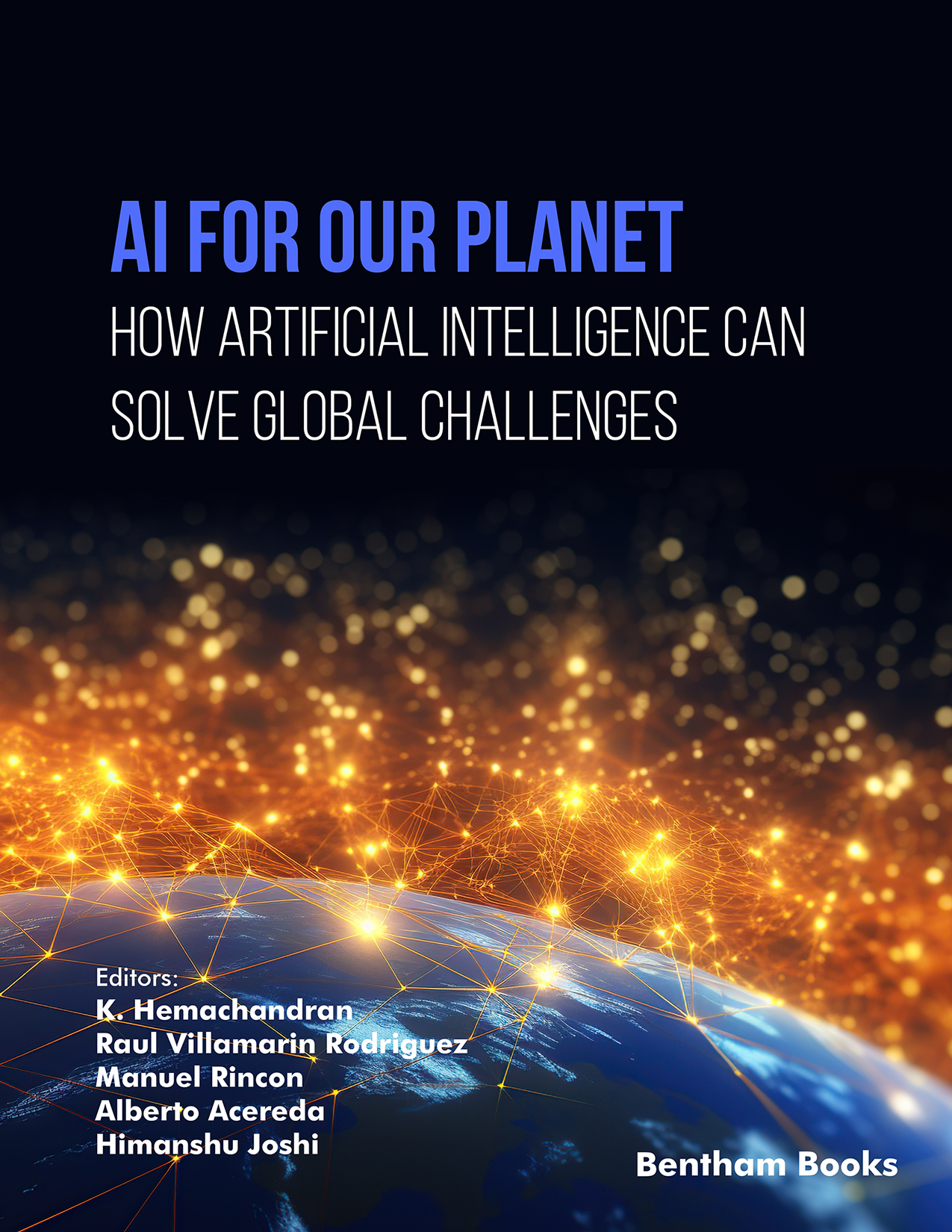
Artificial intelligence is reshaping how institutions operate, how societies function, and how global challenges are addressed. Yet the promise of AI does not reside in the technology alone — it resides in the intentional decisions we make about how it is designed, governed, and applied in the real world.
I had the honor of co-editing AI for Our Planet: How Artificial Intelligence Can Solve Global Challenges, a 2026 volume that brings together scholars, practitioners, and thought leaders from diverse disciplines to explore how AI can advance sustainability, enrich decision-making, expand access to learning, and support human progress across sectors.
What makes this moment especially significant is not just the pace of innovation, but the weight of responsibility that accompanies it. We are entering an era in which leadership must move at the same pace as technological capability. Institutions, governments, and organizations are being asked to integrate powerful tools into systems that directly influence equity, opportunity, resilience, and long-term societal well-being.
Throughout my work in higher education and education technology, I have seen how transformative innovation can be when guided by clear purpose — and how disruptive it can be when adopted without sufficient governance, clarity, or alignment with human values. AI presents both an extraordinary opportunity and a profound test of collective judgment.
Used thoughtfully, AI can help organizations become more adaptive, extend access to knowledge, and address complex global challenges with precision and scale. Used carelessly, it risks reinforcing existing disparities or creating unintended outcomes that take years to correct. The difference will not be determined by algorithms alone, but by leadership, governance, and a shared commitment to aligning technological capability with human values.
This work reflects a conviction that progress demands both imagination and discipline. Innovation must be paired with ethical clarity, strategic intent, and cross-sector collaboration if it is to deliver lasting impact.
Ultimately, the future will not be defined by artificial intelligence itself, but by the quality of the decisions we make about its role in shaping our world. My hope is that this volume contributes to a more thoughtful, informed, and responsible path forward for those designing, governing, and stewarding intelligent systems.
I remain grateful to the editors and contributors whose insight made this work possible, and hopeful about what can be achieved when technological capability is guided by purpose and grounded in humanity.